
The Science Behind Gratitude
Research in positive psychology has consistently shown that gratitude is one of the most powerful predictors of well-being. Studies from leading institutions demonstrate that people who regularly practice gratitude experience lower levels of cortisol, improved sleep quality, and stronger immune function.
Neuroscience reveals that gratitude activates the brain's reward system, releasing dopamine and serotonin. Over time, this creates new neural pathways that make positive thinking more automatic and natural.
Benefits of Regular Gratitude Practice
The benefits of cultivating gratitude extend far beyond momentary happiness. Consistent practice yields measurable improvements across multiple dimensions of health.
- Reduced symptoms of anxiety and depression by up to 35%
- Improved sleep quality and duration
- Lower blood pressure and heart rate variability
- Enhanced resilience during stressful periods
- Stronger social connections and relationships
How to Start a Gratitude Practice
Beginning a gratitude practice requires minimal time investment but yields substantial returns. The key is consistency rather than duration.
- Set aside 5 minutes each morning or evening
- Write down three specific things you're grateful for
- Focus on the "why" behind each gratitude
- Include small, everyday moments alongside big events
- Use a dedicated journal or digital app for tracking
Gratitude Tip
Research shows that writing gratitudes by hand activates deeper cognitive processing than typing, leading to stronger emotional benefits and better memory retention.
Advanced Gratitude Techniques
Once you've established a basic practice, consider deepening your gratitude experience with these evidence-based techniques.
- Write gratitude letters to people who have positively impacted your life
- Practice mental subtraction by imagining life without certain blessings
- Create a gratitude jar and review entries monthly
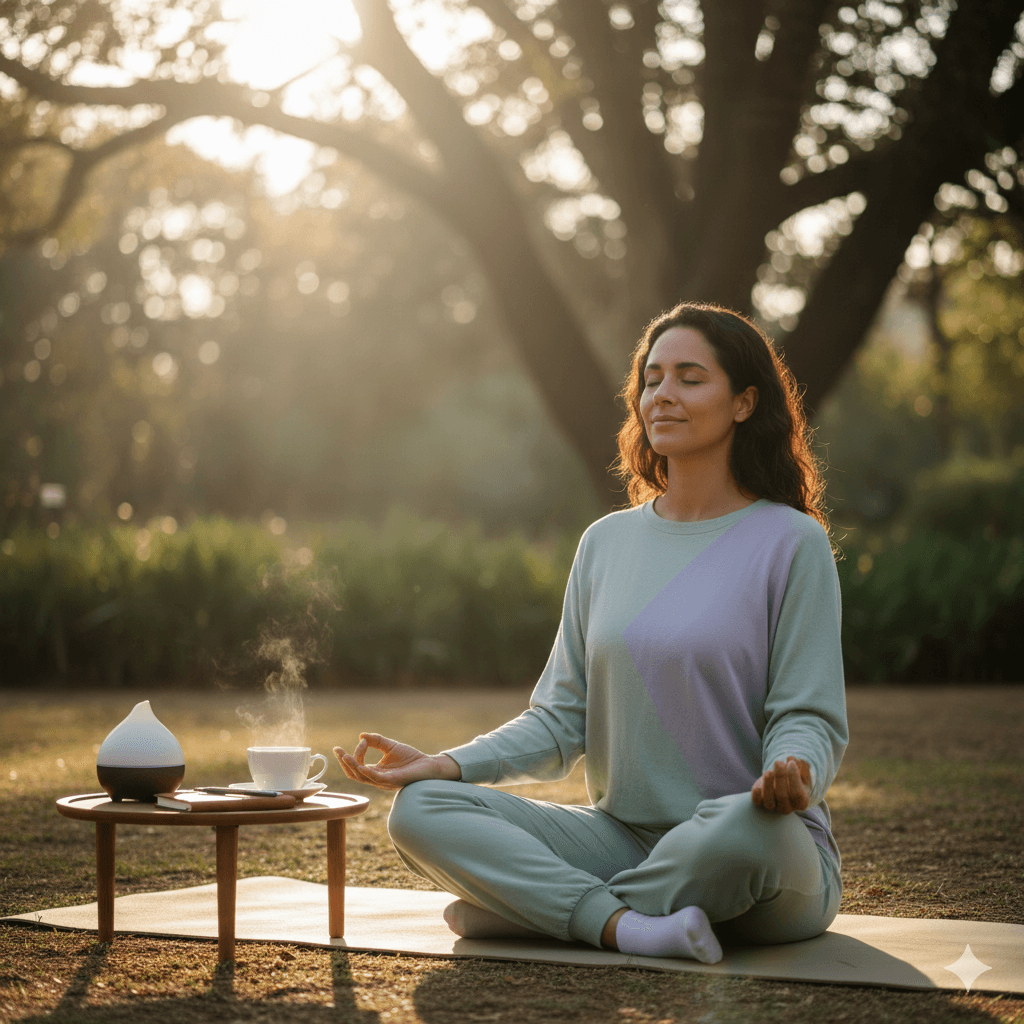
- Pair gratitude practice with meditation for enhanced effects
"Gratitude turns what we have into enough, and more. It turns denial into acceptance, chaos into order, confusion into clarity."
Overcoming Gratitude Barriers
Some days, finding gratitude feels challenging. During difficult periods, these strategies can help maintain your practice.
- Start with basic necessities: shelter, food, clean water
- Notice physical sensations: warmth, comfort, breath
- Appreciate lessons learned from challenges
- Express gratitude for future possibilities